Sugar industry before the problem area of raw materials fell sharply
Sugar industry before the problem area of raw materials fell sharply
Currently most of the provinces in the south, people are narrowing sugarcane acreage, converted gradually into an area of sugar cane and other crops to avoid losses lasted 4 years. The narrow area poses problems for lack of material cane sugar processing enterprises in the region.
Sugarcane acreage decreases rapidly
Tay Ninh province has the largest area under sugarcane Southeast region. 2014 -2015 crop planted over 20,900 hectares across the province to meet the raw sugarcane for sugar production company 3, with a total capacity of nearly 15,000 tons of cane / day. But in the season of 2015-2016, by the end of April, farmers planted nearly 9,700 ha, down khoang1 / 2 area compared to previous crop.
Cane growers in Xining said cane crop last year borers infest, leaving many farmers to abandon drug costs for plant protection, but yields still fell. According to the Department of Agriculture and Rural Development shall have to be nearly 1/4 pests cane acreage, yields fell, while prices of raw materials lower sugarcane, farmers suffered huge losses. One of the reasons leading to the province's sugar cane acreage decline is due to the raging disease, sugarcane purchase price input of the sugar mills in the province decreased from 100,000 to 150,000 VND / ton compared to the previous season. Dissemination of the purchase price of approximately 750,000 plants / ton sugarcane. Besides, policies such as consumption of sugar, fertilizer harvest calendar, burning sugarcane procurement policy ... sugar mills are not interested. Meanwhile, production costs such as fertilizers, plant protection products, labor costs of planting, tending, harvesting and transport have increased by 10 - 20% compared to the previous season, leading to growers Cane heavy losses should have taken the initiative to switch to cassava, corn and some other crops in hopes of bringing higher economic efficiency.
Dao Van The, Deputy Chief of the Department of Agriculture and Rural Development, said Soc Trang province, the province is implementing zoning by concentrating production on the strength of products of local agriculture, with sugarcane, the province also has a policy to reduce the area to switch to other crops like hybrid maize, plantation crops and aquaculture. Cu Lao Dung districts have the largest sugarcane acreage province (about 7,400 hectares, yield 130 tons / ha), but a few years ago people were actively converting 4,200 hectares to grow crops, maize and livestock brackish water.
According to Mr. Nguyen Truong Chinh, Head of Financial Planning (Department of Agriculture and Rural Development and Tra Vinh), Tra Vinh sugarcane area is not large, about 7,000 hectares, but this season has moved more people 500 ha into cropland and aquaculture, by low cane yield, price uncertainty.
Mr. Duong Quoc Xuan, deputy head of the Southwestern Steering Committee said, as reported by the Department of Agriculture and Rural Development sector Mekong Delta to month 4/2015 shows, most provinces covers more sugarcane plantation as Long An, Hau Giang, Soc ... dropped from 500-3000 ha. The province has an area of sugar cane is the largest decline over 3000 ha Long An / 12,200 ha of crop year 2014-2015; Soc Trang also reduced from 11,000 hectares to 9,000 hectares; Hau Giang from 12,300 ha to 11,000 ha ... Through the statistical figures of the local agricultural sector may see speeds reduced sugarcane area is very large, while the sugar processing enterprises do not have stable raw material areas, the risk of lack of cane for the production of crop plants 2015 - 2016 is unavoidable.
Actively stable material zones
Faced with the cane raw materials fell sharply, many businesses have specific measures to keep the raw materials to meet production requirements.
O ng Zhang Yunfei, deputy director of agriculture Corporation Thanh Thanh sugar - Tay Ninh said material sugarcane area has decreased but the company maintains approximately 8,000 hectares. To ensure enough materials for production of the plant, the company has to Cambodia leased land and planted about 3,000 hectares of crop year 2015 to 2016 the company intends to sign with sugarcane farmers in Long An 2,000 ha again. By May 5/2015 the company signed consume products with relatives in Long An are more than 1,000 hectares. According to Africa, the land rent in Cambodia or purchase sugarcane from Long Cane is only temporary solution to meet the needs of the factory production line with a capacity of over 8,000 tons of cane / day. In the long term, present company Thanh Thanh Cong is to accelerate the collaboration with the agricultural sector in Tay Ninh province to plan and implement large construction fields. If you do this, the new plant has good breeding conditions for investment, science, technology and production machinery in order to reduce costs and especially stable material areas for sustainable development.
According to Nguyen Thanh Long, General Director of Can Tho Sugar Joint Stock (Casuco) said sugar area of Companies in Hau Giang and Soc Trang has dropped by more than 1,000 hectares, so not worrying much. However, new crop, sugar area of Co. sugarcane based ethanol Long My Phat Long My district, Hau Giang province fell by more than 1,000 hectares (6,000 hectares from 4,900 hectares more down), it is more likely Long My Phat performance will purchase raw cane of Casuco region. It is also one of the reasons for Casuco leaders worry about reducing raw material production to meet the needs of two sugar mills and Phung Hiep Thanh Area, with a total capacity of 6,500 tonnes of cane / day.
Mr. Long said, to stabilize the production of raw materials to meet the two plants under Casuco, sugar crop year 2015 - 2016 the company continues to implement policies to support farmers of seeds, fertilizers and technical farming to improve productivity, reduce cost of sugarcane, which is how farmers must have the new rates are to continue growing sugarcane. Besides, the company also advocates of Hau Giang Province convert sugarcane growing areas of low productivity, inefficient to growing other crops, according to the program of agricultural restructuring is underway in Hau Giang.
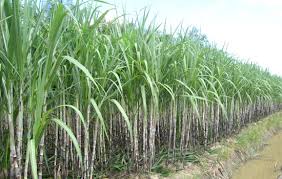
Nguyen Van Dong, director of the Department of Agriculture and Rural Development, said Hau Giang province, in the planning of agricultural production from 2015 - 2020 the province will hold steady around 10,000 hectares of sugarcane. With this area that apply scientific and technological advances in production, increased yield from 100 tonnes / ha, the factory still ensure sufficient active material, new sugarcane growers have words. And low yields around 70 tonnes / ha as at present, plus the area of reducing the risk of raw material shortage of sugarcane production is unavoidable.
Agreeing with Mr. Nguyen Thanh Long, Nguyen Hai, Secretary General of Vietnam Sugar Association also said the Association only recommends companies and farmers producing sugar, to promote the application progress science and technology in production, in order to improve productivity and reduce costs if it is to develop sustainably. The localities in the southern region are switching from sugar cane to other crops in the context of unstable sugar prices as well as the inevitable trend. The key is the agricultural sector in Vietnam in general and in particular the provinces should soon be planning to produce sugar sector towards higher value sugar cane, meets enough sugar for domestic consumption and export. These smaller units of less than 1,000 tons of cane / day and the small materials should soon restructuring oriented factories merged into larger, less efficient sugarcane region should turn to other crops.
According to Nguyen Hai, before the trend of deeper integration into the world economy, Vietnam sugar industry must rise by raising corporate value, to make the best products to compete with foreign products. The reorganization of production towards refined, streamlined and efficient is essential to increase competitiveness and meet the requirements of domestic consumers and for export. Besides, the state also needs policies to support the sugar industry for sustainable development ahead of the fierce competition of the Thai sugar producers, India.


